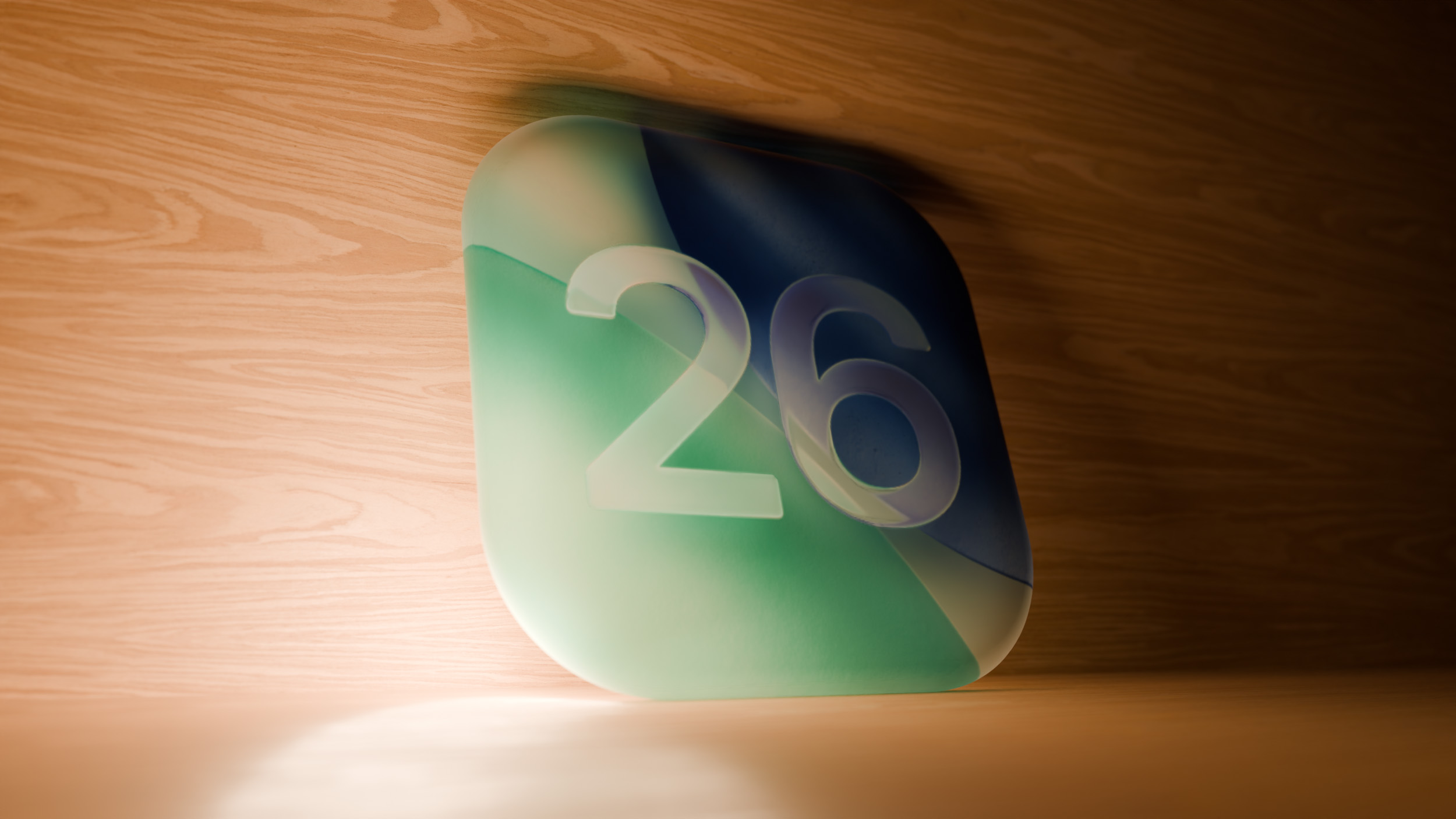
iOS 26 adoption now hovers at around 50%, according to StatCounter, but some users are still cautious about updating.
New data published by SellCell provides a look at how users have responded to the push to update to iOS 26. The findings are based on a January 2026 survey of 2,000 U.S.-based adult iPhone users and focus on adoption status, update behavior, and perceived risks associated with installing iOS 26.
78% of SellCell’s respondents say they have updated their iPhone to iOS 26, while 22% report that they are still running an earlier version of iOS. There have been other reports of low adoption for iOS 26, so 78% would be unusually high and may indicate a disproportionate number of tech enthusiasts among respondents. Realistically, the actual number likely lies somewhere in between at around 50%, as StatCounter shows. SellCell stresses that the data reflects self-reported behavior rather than device-verified installation rates.
Nevertheless, the survey highlights key reasons as to why some users have still not upgraded. 24.2% of respondents said they were concerned that iOS 26 could negatively affect battery life, while 23.8% worried about overall performance. 17.5% of respondents said they disliked the design changes debuted with Liquid Glass, or found it harder to read, while an additional 8.6% said they were frustrated that new visual elements could not be fully turned off. 15% of respondents said they worried it would be difficult or impossible to revert to an earlier version of iOS once iOS 26 was installed, while 11.4% cited reports of bugs or features breaking as a reason for hesitation.
SellCell’s data also suggests that adoption does not necessarily reflect confidence. When asked about their general response to iOS update prompts, only 38.8% of respondents said they typically update immediately when prompted. The remaining 61.2% reported some form of delay or deferral, including waiting to see whether other users report problems, assuming updates occur automatically, dismissing reminders, or postponing updates for weeks or months. A smaller share said they only update once an app stops working on their current version of iOS.
In addition, the survey found that hesitation around iOS 26 is widespread even among users who have already installed the update. Across the full sample of 2,000 respondents, 72% selected at least one concern that made them hesitant about upgrading, while only 28% said that nothing they had seen put them off installing iOS 26. It is also notable that, of the 443 respondents who said they were still on an older version, 28% said they were unaware that iOS 26 was available, 23.7% said they assumed updates would install automatically, and 23.3% said they simply had not gotten around to updating.
This article, “iOS 26 Adoption Hits 50%, But Some Users Are Still Reluctant to Update” first appeared on MacRumors.com
Discuss this article in our forums
iOS 26 adoption now hovers at around 50%, according to StatCounter, but some users are still cautious about updating.
New data published by SellCell provides a look at how users have responded to the push to update to iOS 26. The findings are based on a January 2026 survey of 2,000 U.S.-based adult iPhone users and focus on adoption status, update behavior, and perceived risks associated with installing iOS 26.
78% of SellCell’s respondents say they have updated their iPhone to iOS 26, while 22% report that they are still running an earlier version of iOS. There have been other reports of low adoption for iOS 26, so 78% would be unusually high and may indicate a disproportionate number of tech enthusiasts among respondents. Realistically, the actual number likely lies somewhere in between at around 50%, as StatCounter shows. SellCell stresses that the data reflects self-reported behavior rather than device-verified installation rates.
Nevertheless, the survey highlights key reasons as to why some users have still not upgraded. 24.2% of respondents said they were concerned that iOS 26 could negatively affect battery life, while 23.8% worried about overall performance. 17.5% of respondents said they disliked the design changes debuted with Liquid Glass, or found it harder to read, while an additional 8.6% said they were frustrated that new visual elements could not be fully turned off. 15% of respondents said they worried it would be difficult or impossible to revert to an earlier version of iOS once iOS 26 was installed, while 11.4% cited reports of bugs or features breaking as a reason for hesitation.
SellCell’s data also suggests that adoption does not necessarily reflect confidence. When asked about their general response to iOS update prompts, only 38.8% of respondents said they typically update immediately when prompted. The remaining 61.2% reported some form of delay or deferral, including waiting to see whether other users report problems, assuming updates occur automatically, dismissing reminders, or postponing updates for weeks or months. A smaller share said they only update once an app stops working on their current version of iOS.
In addition, the survey found that hesitation around iOS 26 is widespread even among users who have already installed the update. Across the full sample of 2,000 respondents, 72% selected at least one concern that made them hesitant about upgrading, while only 28% said that nothing they had seen put them off installing iOS 26. It is also notable that, of the 443 respondents who said they were still on an older version, 28% said they were unaware that iOS 26 was available, 23.7% said they assumed updates would install automatically, and 23.3% said they simply had not gotten around to updating. Related Roundups: iOS 26, iPadOS 26Tag: SellCellRelated Forum: iOS 26This article, “iOS 26 Adoption Hits 50%, But Some Users Are Still Reluctant to Update” first appeared on MacRumors.comDiscuss this article in our forums Read More MacRumors: Mac News and Rumors – All Stories
#Techno #PCWorld